

The Short Version
How much you should put on a gift card comes down to what I call the Whole Gift Rule: choose an amount that fully covers the specific experience you have in mind, rather than leaving a gap the recipient has to pay themselves. The average gift card given to someone else runs about $49.43, with typical ranges from $10–25 for a small thank-you up to $75–100 for close family and wedding gifts. The right amount is whichever one lets the recipient enjoy the gift exactly as you intended, within your own budget.
Jump Ahead!
Click a section to jump to what you need.
My “Whole Gift Rule” for Choosing a Gift Card Amount
One of the reasons I started writing about gift cards more than 20 years ago is because of this very question: How much should you put on a gift card?
The answer may seem simple, but it can be one of the trickiest parts of giving a gift card.
Before gift cards became popular, we went to great lengths to hide how much we spent on a gift. We’d peel off price tags, cover prices with a marker, or ask for a gift receipt so the recipient wouldn’t know exactly what we paid.
Gift cards changed that.
Whether it’s $25, $50, or $100, the amount is right there on the front. Suddenly, the price became one of the most visible parts of the gift—the thing you notice almost immediately after seeing the brand.
That makes people second-guess themselves.
- Will $25 seem cheap?
- Is $50 enough?
- Am I spending too much?
Those are reasonable questions—but they’re not the most important ones. The better question is this:
What amount will give the recipient a whole gift?
A whole gift is one that lets the recipient fully enjoy what you intended, without having to spend their own money just to complete the experience.
- Sometimes that’s $25
- Sometimes it’s $100
- Sometimes it’s less than you think
- And sometimes it’s more
That’s the idea behind my Whole Gift Rule: the best gift card amount has less to do with the number itself and more to do with what that number allows the recipient to experience.
In this guide, I’ll show you how to use my Whole Gift Rule to choose the right gift card amount for every occasion, avoid common mistakes, and understand when gift card value limits matter.
Start by Choosing the Right Gift Card
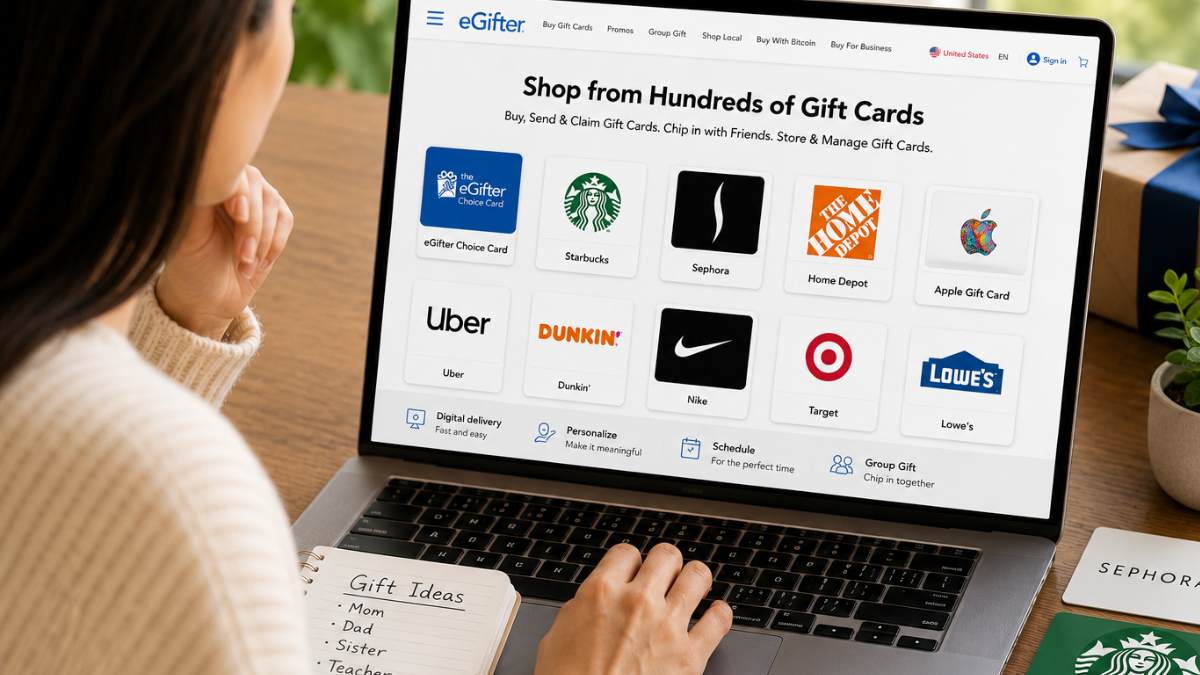
Before deciding how much money to put on a gift card, you first need to decide which gift card to buy.
The right gift card depends on the occasion, the recipient, and how you hope they’ll use it.
If you’re shopping for a wedding, you might start with the couple’s registry or choose a home improvement or home goods retailer to help them furnish their new home. For a birthday, you’ll probably think about the recipient’s favorite restaurant, clothing store, hobby, or experience. A thank-you gift for a teacher might call for a smoothie shop or bookstore, while your child’s soccer coach might appreciate a nice dinner or a movie night away from the field.
Every gift starts with a different purpose, and that purpose often influences how much you’ll ultimately want to spend.
If you’re not sure which gift card is the best fit, I cover that in How to Choose the Perfect Gift Card, where I share the questions I ask to match the gift card to the recipient and the occasion.
Once you’ve chosen the right gift card, deciding how much to put on it becomes much easier.
That’s because the gift card itself provides important context. A $25 smoothie shop gift card creates a very different experience than a $25 steakhouse gift card. The right amount isn’t determined by the dollar amount alone—it’s determined by the experience that dollar amount makes possible.
Apply the Whole Gift Rule
One of the biggest mistakes people make when buying a gift card is focusing on the dollar amount instead of what that amount allows the recipient to do.
They’ll say, “I’ll give him a $50 gift card.” Or, “I’ll get her a Chick-fil-A gift card.” But the amount, the merchant, and the experience are all connected.
A $25 gift card can feel generous if it pays for exactly what you intended—and maybe even a little more. But it can also be disappointing if it only covers part of the purchase and requires the recipient to pay the difference.
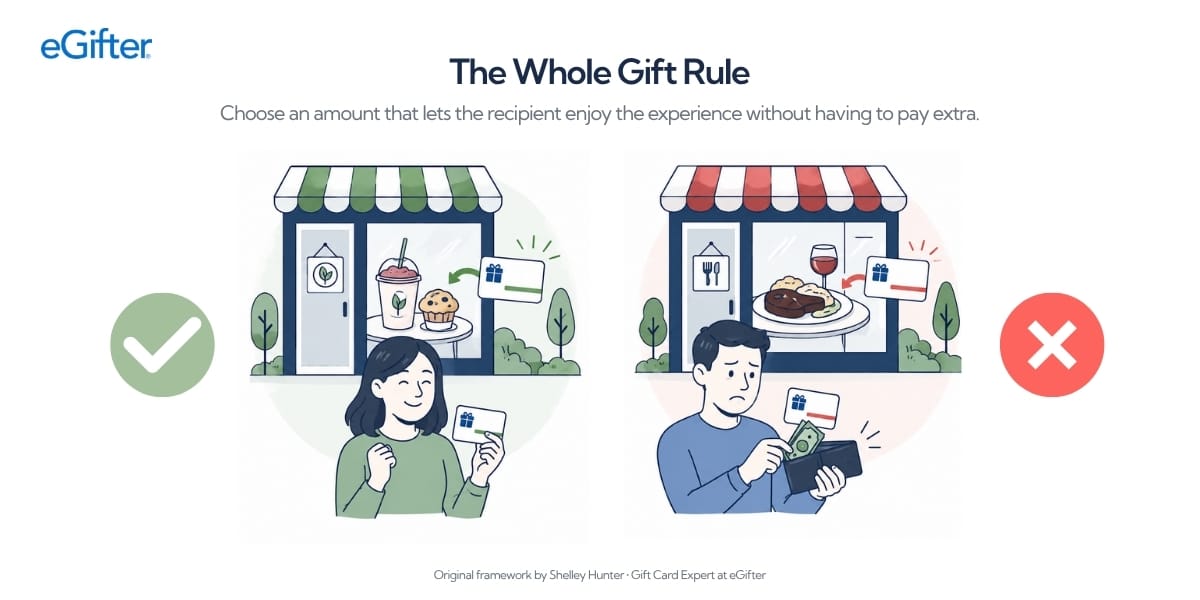
That’s the Whole Gift Rule: choose an amount that lets the recipient enjoy the experience without having to pay extra.
For example:
- A $25 smoothie shop gift card might buy two or three treats
- A $25 movie theater gift card could cover two matinee tickets
- A $25 bookstore gift card might be enough for a new paperback and a bookmark
Now compare that with:
- A $25 steakhouse gift card that doesn’t quite cover a single entrée
- A $25 spa gift card that’s only a small credit toward a service
- A $25 clothing store gift card where most items cost 3 times that amount
The dollar amount hasn’t changed, but the experience has.
To apply the Whole Gift Rule, I start with three questions:
- How much do I want to spend?
- What experience do I want to give within that budget?
- What gift card aligns with both?
For example, if your budget is $25 and you want to treat someone to lunch, think about where $25 will provide a complete, enjoyable meal. If your first choice is an upscale bistro, you might discover that a neighborhood deli, sandwich shop, or local café creates an even better gifting experience because your gift covers the entire outing.
The same principle applies to retail stores. If your budget is $100 and you want someone to pick out a new outfit, that amount might purchase an entire outfit at Target or Walmart, while at a higher-end retailer it may be perfect for a new sweater, pair of shoes, or favorite accessory. The best choice depends on what you hope the recipient will enjoy.
The Whole Gift Rule is simple: choose an amount that allows the recipient to enjoy the experience you intended, without having to pay extra.
What Is a Typical Gift Card Amount?
By now, you’ve probably noticed that I don’t start by picking a dollar amount. I start by thinking about the experience I want the gift card to create—and whether it fits my budget.
But if you’re looking for some hard numbers, let’s talk about them.
There isn’t a single ideal gift card amount for every occasion because, remember, this is still a gift. Just as two people might look at the same wedding registry and one chooses the $25 dish rack while another buys the $250 television, there’s no “correct” amount to spend.
According to the National Retail Federation’s holiday shopping survey, shoppers spend an average of $49.43 per gift card during the holiday season. That figure covers everything from small thank-you gifts to generous wedding and holiday gifts for close friends, which is why individual occasions may fall above or below the average.
With that in mind, here’s how I’d approach some common gifting occasions.
| Occasion | My Typical Range | What That Amount Makes Possible |
|---|---|---|
| Birthday (casual friend) | $20–30 | A complete everyday treat—lunch, a movie, or a favorite shop |
| Birthday (close friend) | $30–50 | More flexibility to choose a favorite restaurant, retailer, or experience |
| Birthday (immediate family) | $50–100 | Room to splurge on something they’ve been wanting or combine with their own budget for a larger purchase |
| Housewarming | $25–50 | A practical item or finishing touch for the new home |
| Baby shower | $25–75 | Baby essentials or something special for the new family |
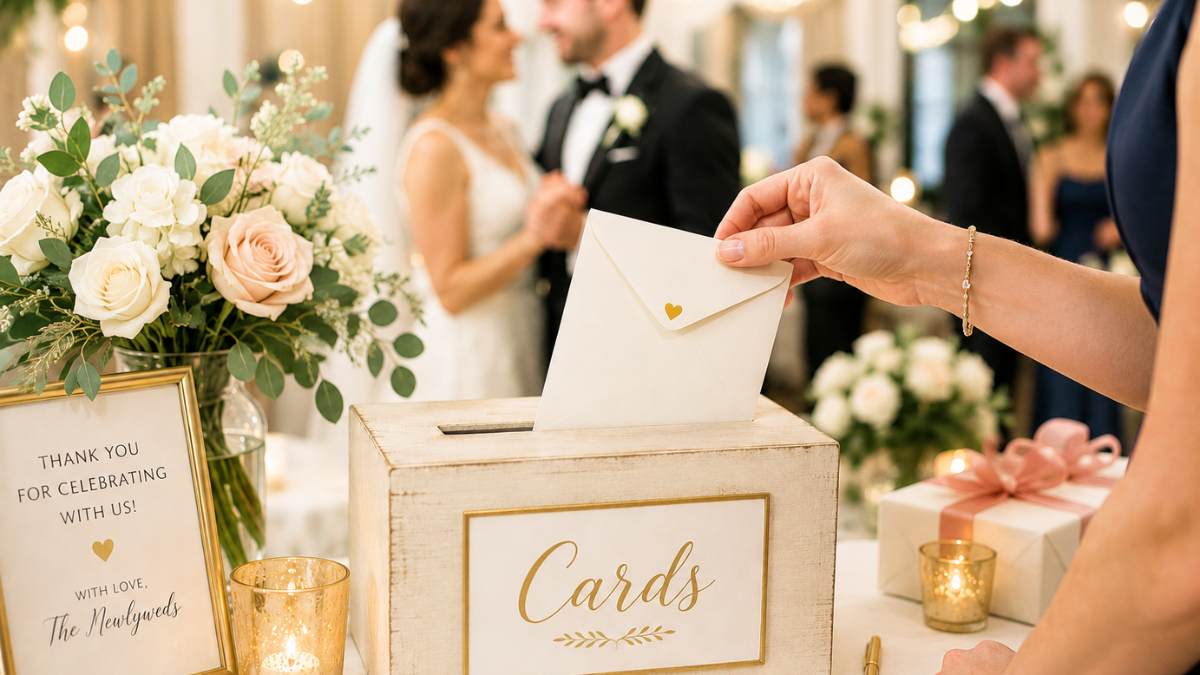
| Wedding (coworker or acquaintance) | $25–50 | A thoughtful contribution toward the couple’s new life together |
| Wedding (close friend or family) | $75–100 | A meaningful contribution toward a registry item, home project, or special experience |
| Holiday (extended family, friends) | $25 | A favorite meal, treat, book, or everyday indulgence |
| Teacher, coach, or coworker | $10–25 | A small treat as a thank-you |
| Sympathy or thinking of you | $25–50 | A comforting meal, groceries, books, or practical support during a difficult time. Consider giving more if the family is facing travel, ongoing meals, or unexpected expenses. |
Remember, these are guidelines—not expectations. The “right” gift card amount is the one that creates the experience you want to give while fitting comfortably within your budget.
When It’s Okay if a Gift Card Doesn’t Cover the Entire Purchase
Throughout this guide, I’ve encouraged you to choose a gift card amount that creates a complete, enjoyable experience. In many cases, that’s still the best approach.
But gift giving is rarely one-size-fits-all.
There are plenty of situations where a gift card doesn’t need to cover the entire purchase to be thoughtful and appreciated. The key is understanding how the recipient is likely to use it.
Everyday Favorites
Some gift cards naturally become part of someone’s regular routine.
If your friend grabs a smoothie every Friday, stops for a bagel on the way to work, shops Amazon regularly, or always seems to be at The Home Depot, even a modest gift card can be meaningful because you know it will be used.
In these situations, you’re not trying to pay for everything. You’re saying, “I know you well enough to know exactly how you’re going to spend this.” Your gift becomes a thoughtful contribution toward something they’re already doing or buying.
Wedding Registries and Group Gifts
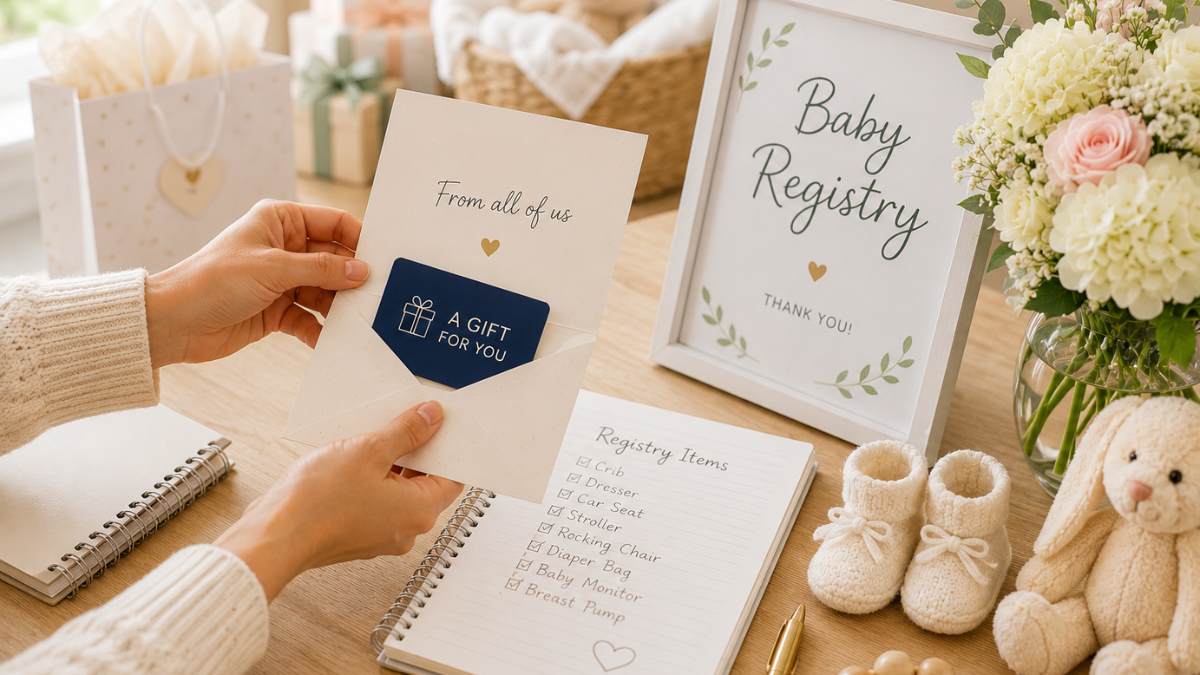
Wedding and baby registries are another exception.
Many couples receive multiple gift cards to the same retailer, allowing them to combine the balances toward a larger purchase. Your gift card may be one of several that helps furnish a new home, purchase nursery furniture, or check another item off the registry.
The value isn’t measured by whether it covers the entire purchase—it’s measured by knowing you’re giving them something they specifically asked for and will genuinely use.
When You Know They’re Saving Up
Sometimes you know the recipient is already saving for something specific or has mentioned a purchase they’re planning to make.
Maybe your son has been saving for new AirPods. Your daughter is putting money aside for a designer handbag. A friend has talked about buying a new grill or finally replacing an old laptop.
In those situations, a gift card doesn’t have to cover the entire purchase to be meaningful. Instead, it becomes your contribution toward something they’re genuinely excited about.
The key is knowing both what they’re saving for and where they plan to buy it. If they’ve already decided on a particular retailer because of a sale, rewards program, loyalty perks, or financing, a gift card to a different store may not be nearly as helpful.
The common thread in all of these exceptions is certainty. You already know how the recipient will use the gift card, so it doesn’t have to pay for the entire purchase to be thoughtful. When you’re confident your gift will become part of something they already enjoy, have specifically requested, or are intentionally saving for, contributing toward the cost can be every bit as meaningful as paying for it all.
A little research ahead of time can help ensure your gift card fits their plans perfectly.

When Gift Card Amounts Really Do Matter
Most of the time, choosing a gift card amount is a personal decision based on your relationship with the recipient and your budget.
But there are a few situations where the amount isn’t just a matter of etiquette—it may be governed by organizational policies or ethics rules.
Teachers and School Employees
Many school districts have policies limiting the value of gifts teachers and staff members may accept. Individual gifts are often capped somewhere between $25 and $50, though some districts allow more for a pooled class gift—sometimes up to $100–150—as long as the teacher isn’t told which families contributed or how much. The limits vary by district, so if you’re planning a generous class gift, it’s worth checking the school’s policy before collecting contributions.
One simple solution is for multiple families to contribute smaller amounts toward a group gift card, provided it complies with the school’s guidelines. Or, encourage each family to select the same gift card. For example, ten $20 Target gift cards may be easier for a teacher to accept than one $200 gift card, depending on the school’s policy.
Employees and Vendors
Many companies have ethics policies that limit the value of gifts employees can accept from vendors, customers, or business partners. These rules help avoid conflicts of interest or even the appearance of favoritism. Limits vary by company—one HR survey found policies capping vendor gifts at $25, while others allow up to $100 or more. Some policies also treat gift cards differently than other gifts, regardless of value, since they’re considered a cash equivalent.
If you’re sending gift cards in a business setting, check your organization’s gift policy—or ask the recipient’s organization if you’re unsure.
Government and Healthcare Employees
Government agencies, healthcare organizations, and other regulated industries often have even stricter gift acceptance rules. In some cases, employees may be prohibited from accepting gift cards altogether or may only accept gifts below a certain value—for example, federal executive branch employees are generally limited to unsolicited gifts of $20 or less per occasion, capped at $50 total from a single source per year.
When in doubt, it’s always better to verify the policy before purchasing the gift card.
While these situations are less common, they’re a good reminder that gift card amounts aren’t always just a matter of etiquette. When gifts involve schools, employers, healthcare organizations, or government agencies, it’s worth checking the policy before you buy.
Frequently Asked Questions
Is $25 enough for a gift card?
Yes—if it pays for a “whole gift” and creates the experience you intend to give. A $25 gift card can cover a simple lunch, a movie, several visits to a smoothie shop, or a new book. At higher-priced restaurants or retailers, however, it may cover only part of the purchase. Rather than focusing on the number itself, choose an amount that fits your budget and allows the recipient to enjoy the gift you had in mind.
Is $50 a good gift card amount?
For many occasions, yes. Fifty dollars is close to the average amount people give and is appropriate for birthdays, holidays, close friends, and many family gifts. But it’s not a magic number. The best amount depends on the occasion, your relationship with the recipient, your budget, and the experience you hope to create.
Is $100 too much for a gift card?
Not necessarily. A $100 gift card can be appropriate for weddings, milestone birthdays, graduations, immediate family members, or other significant occasions. For a casual thank-you gift or coworker, however, it may feel excessive. Let the occasion and your relationship—not an arbitrary dollar amount—guide your decision.
Should a gift card cover the entire purchase?
Ideally, yes—especially when you’re giving an experience like dinner, a movie, or a spa visit. But there are exceptions. If you know the recipient shops at a particular retailer regularly, is saving for a specific purchase, or will combine your gift card with others, contributing toward the cost can be just as thoughtful as paying for the entire experience.
How much should I put on a restaurant gift card?
Think about the dining experience you want to give. The best place to start is by checking the restaurant’s menu and choosing an amount that covers the meal you have in mind. For a casual lunch, a smaller amount may be enough. For dinner at a full-service restaurant, consider the cost of the meal, tax, and tip so the recipient can simply enjoy the experience without worrying about the bill.
How much should I put on a gift card for a child?
Children often don’t have a strong sense of dollar values, but they usually have a very clear idea of what they want to buy.
The challenge is making sure your gift card aligns with those expectations.
If your budget is $10–25, choose a retailer where that amount will let the child walk in and actually enjoy shopping. You don’t want them heading straight for the bicycles when you were picturing a few packs of trading cards or a small toy. The goal is to let them experience the excitement of choosing something on their own—not the disappointment of realizing everything they want costs much more than the gift card.
Older kids and teens are often better at understanding trade-offs. They know $50 may not buy the headphones they’ve been eyeing, but it can become a meaningful contribution toward saving for them. Or they may decide to spend it on a new video game, collectible, or something else entirely.
Also think about how they’ll use the gift card. Will they be shopping online and need a parent’s help? Does someone have to drive them to the store or bowling alley? If you’re giving an experience, does the amount cover just the child or will an adult need to participate as well?
The best gift card amount is one that fits your budget while giving the child a realistic opportunity to enjoy the gift the way you intended.
How much should I give for a wedding gift card?
Wedding gift cards often range from $25–50 for acquaintances and $75–100 or more for close friends and family. If the couple has a registry, choosing one of their requested retailers is often more important than the exact dollar amount. Many couples receive multiple gift cards to the same retailer and combine them toward larger purchases.
Can teachers accept gift cards?
Usually, yes—but many school districts have policies limiting the value of gifts teachers and staff members may accept. Before giving a high-value gift card or organizing a class gift, check your school’s guidelines. If there are limits, consider giving a modest individual gift card and encouraging other families to do the same rather than pooling the money into a single large gift card. The goal is to show your appreciation while respecting the school’s policies and making sure your thoughtful gesture doesn’t unintentionally put the teacher in a difficult position.
Should I give cash or a gift card?
Both can make wonderful gifts, but they send slightly different messages.
Cash offers complete flexibility, but it may simply be absorbed into a person’s everyday expenses. There’s nothing wrong with that. In fact, if someone could really use the money, cash may be the most thoughtful gift you can give. Fifty dollars deposited into a checking account might help pay for groceries, gas, or an unexpected bill—and the recipient will likely be grateful.
A thoughtfully chosen gift card, on the other hand, creates an experience. It says, “I know what you enjoy.” Whether it’s a favorite restaurant, bookstore, hobby, or store, a gift card encourages the recipient to treat themselves in a way they might not otherwise. When you choose the right brand and the right amount, a gift card can feel every bit as personal as a traditional gift.
Ready to Buy a Gift Card?
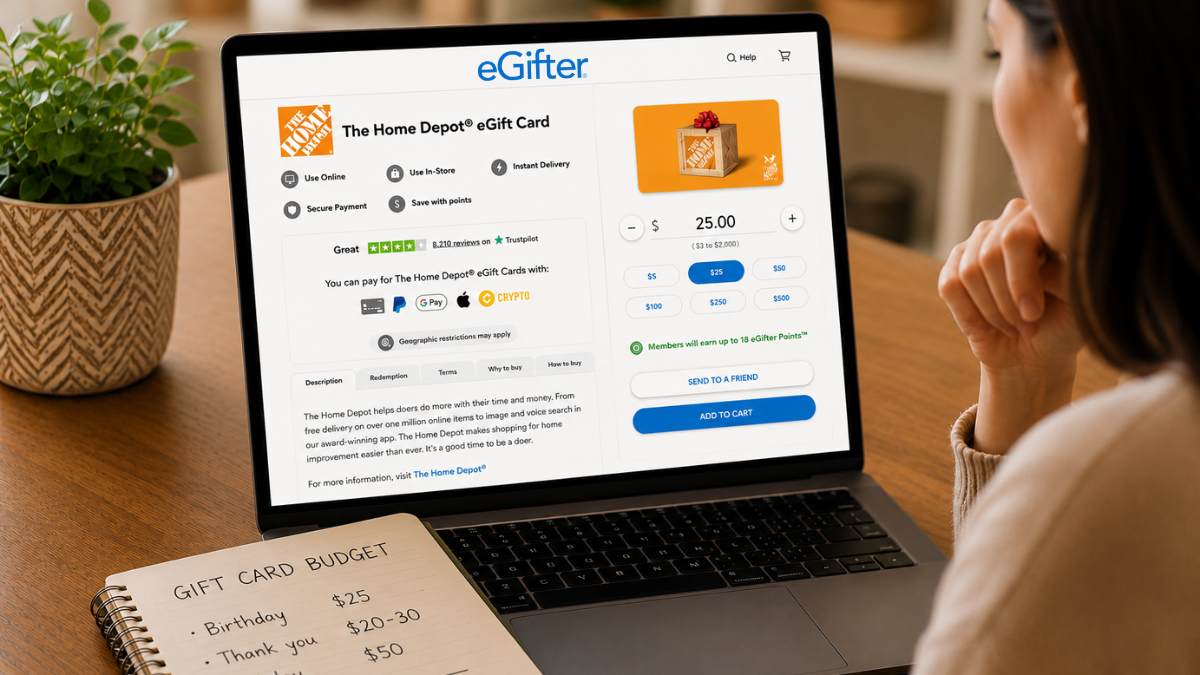
Now that you know how to choose the right gift card amount, it’s time to find the perfect gift. Browse hundreds of gift cards from top brands, personalize your gift with a message, photo, or video, schedule delivery for the perfect moment, or print it at home—all from one place.
Buying gift cards for your business?
Choosing the right gift card amount matters in the workplace, too. Whether you’re recognizing employees, thanking volunteers, rewarding customers, or sending incentives, the value of the reward should reflect the occasion, your budget, and any company or organizational gift policies.
eGifter Rewards makes it easy to send gift cards in bulk, choose appropriate reward amounts, and manage delivery—all while giving recipients the flexibility to receive a gift they’ll truly appreciate. And if you want your brand to be the gift card people choose, eGifter Merchants can help you launch or modernize a branded gift card program with a flexible, technology-driven platform.
Choosing the right gift card amount isn’t about finding a magic number. It’s about understanding the recipient, staying within your budget, and giving a gift that creates the experience you want them to have.
When you focus on the experience instead of the dollar amount, you’ll almost always choose the right gift.
Here’s to giving gift cards with confidence.
— Shelley Hunter, Gift Card Expert at eGifter